
Selecting the Right Gate Barrier & Vehicle Access Control for Dubai
November 22, 2025 |
By Junaid Farooq
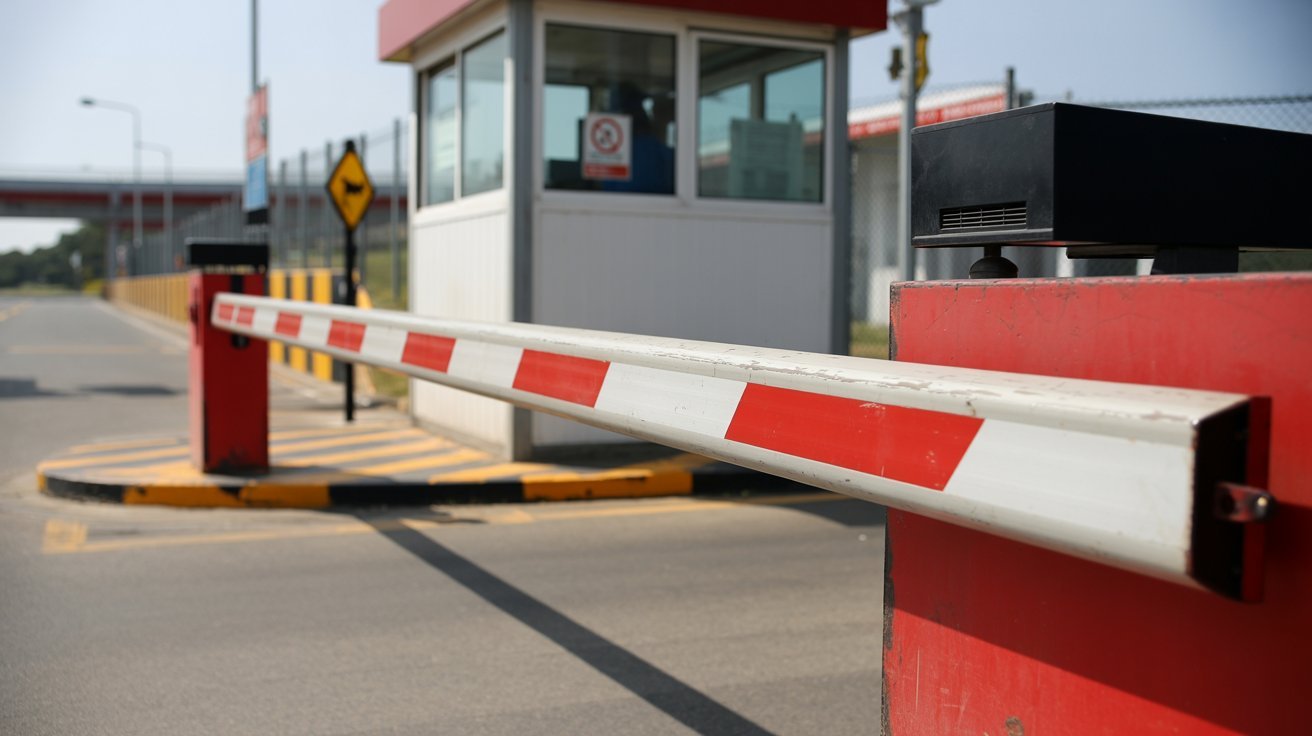
Managing vehicle entry and exit is now a crucial aspect of security and daily operations in Dubai, whether it involves a residential community, commercial tower, logistics hub, or industrial facility. Every site needs a reliable way to control which vehicles can enter, when they can access the property, and how smoothly traffic moves at the gate. The right Gate Barrier Access Control Dubai system is not just about blocking unauthorised vehicles; it also ensures safety, fast operation, durability, and seamless integration with your overall security setup, while reducing manual work, enhancing visitor experience, and protecting your assets.
Understanding Gate Barrier and Vehicle Access Control Systems
A gate barrier system is a physical device that controls vehicle entry and exit. It usually consists of a barrier arm or gate that lifts or slides to allow vehicles through. A vehicle access control system is the technology that decides when to open the barrier. It can be based on cards, tags, number plate recognition, or other methods.
Together, these systems help you:
- Allow only authorized vehicles inside
- Monitor incoming and outgoing traffic
- Reduce manual checks by guards
- Keep a record of access events
- Improve safety at entry and exit points
In Dubai, where many properties have high volumes of vehicles and strict safety standards, a well-designed system has to be both secure and efficient.
Common Types of Gate Barrier Systems in Dubai
Before selecting a solution, it helps to know the main types of gate barrier systems used in Dubai’s residential, commercial, and industrial sites.
1. Boom Barrier Gates
Boom barriers are one of the most common solutions. They use a horizontal arm that lifts up to let vehicles pass. These are often seen in:
- Residential communities
- Commercial building parking entrances
- Mall and hotel parking
- Office complexes
Boom barriers are popular because they are relatively simple, fast, and suitable for different access control technologies such as RFID cards, long-range tags, or ticket dispensers.
2. Sliding and Swing Gates with Automation
In some properties, especially villas, warehouses, and private facilities, sliding or swing gates are automated using motors. Instead of a boom arm, the entire gate moves.
These gates are useful when you need:
- More physical protection (solid gate leaf)
- Better perimeter control
- Aesthetic integration with the property design
They are slower than boom barriers but provide a stronger physical barrier.
3. Heavy-Duty and Industrial Barriers
Industrial facilities, logistics hubs, and sensitive sites such as data centers or critical infrastructure may require heavy-duty barriers. These barriers are built to withstand frequent use and harsh conditions and may include:
- Extra-strong boom arms
- Crash-rated barriers
- Integration with truck management or weighbridge systems
The priority here is reliability, durability, and strict control of each vehicle entering the premises.
Vehicle Identification and Access Technologies
The physical barrier is only one part of the solution. The real intelligence comes from the vehicle access control technology linked to it. Here are some of the most commonly used methods in Dubai.
1. RFID Cards and Tags
RFID-based systems use cards, stickers, or tags that drivers or vehicles carry. When a vehicle approaches the gate, the reader detects the tag and grants or denies access.
Benefits include:
- Quick processing for residents or staff
- Easy to assign or revoke access
- Suitable for car parks and communities
RFID systems are ideal for locations with frequent regular users such as residents, employees, and tenants.
2. Long-Range Vehicle Tags
Long-range tags are mounted on the vehicle, often on the windscreen. Readers installed near the gate can detect the tag from several meters away.
This provides:
- Hands-free entry without stopping to show a card
- Smooth and fast flow at busy gates
- Better user experience for premium sites or high-traffic gates
This solution is widely used in gated communities, corporate campuses, and logistic yards where vehicle flow needs to be smooth.
3. License Plate Recognition (ANPR/LPR)
Automatic Number Plate Recognition systems use cameras and software to read vehicle license plates. Based on the database, the system decides whether to open the barrier.
Key advantages:
- No need for physical cards or tags
- Works well for visitors, contractors, and delivery vehicles
- Allows automated logging of plate numbers and timings
This is increasingly popular in Dubai for smart parking, visitor management, and sites looking for a more automated, flexible approach.
4. Ticketing and Pay-on-Exit Systems
For commercial parking such as malls, mixed-use developments, and paid parking areas, ticketing systems are often used. A ticket is issued at entry, and payment is made at machines or counters before exit.
These systems:
- Support hourly or daily parking charges
- Can integrate with validation systems for tenants and retailers
- Help generate revenue from parking spaces
Key Factors to Consider Before Choosing a System
Selecting the right gate barrier and vehicle access control solution requires more than just picking a model. You need to understand your property, traffic patterns, and security requirements.
Here are the main points to consider.
1. Type of Property and Use Case
The first step is to define what kind of site you are securing:
- Residential community or building
- Office tower or corporate complex
- Hotel, mall, or mixed-use development
- Warehouse, logistics yard, or industrial plant
- Educational or healthcare facility
Each type has different needs. For example, a residential community might prioritize convenience for residents and controlled access for guests, while a logistics hub may focus on truck scheduling, gate queues, and integration with internal systems.
2. Traffic Volume and Peak Times
Understanding how many vehicles use the gate daily and during peak hours helps you choose:
- Barrier speed
- Number of lanes
- Need for separate entry and exit gates
- Type of access technology
High-traffic sites in Dubai, such as commercial towers or busy communities, need fast barriers and automated systems that minimize waiting time. Slow or unreliable barriers can cause long queues and complaints.
3. Security Level Required
Different sites need different levels of security:
- Basic security: for small residential or low-risk facilities
- Medium security: for commercial buildings and standard parking areas
- High security: for sensitive sites, industrial plants, and restricted zones
Higher security may require multi-layered access, such as combining vehicle tags with guard verification, ANPR, and even integration with surveillance systems.
4. Integration with Existing Systems
Many properties in Dubai already have some form of security or building management in place, such as:
- CCTV surveillance
- Visitor management systems
- Time and attendance systems
- Parking management solutions
- Building management systems (BMS)
A good gate barrier and access solution should integrate smoothly with these systems. This allows you to:
- Monitor gate activity from a central control room
- Link vehicle entries with camera footage
- Connect staff vehicle access with attendance data
- Generate comprehensive reports about usage and incidents
5. Compliance, Safety, and Local Conditions
Dubai has clear expectations around safety, fire access, and emergency procedures. Your gate barrier system should:
- Allow manual override in emergencies
- Have safe operation mode during power failures
- Be installed to avoid blocking emergency and fire routes
- Use equipment that can withstand heat, dust, and harsh weather
Gate systems must be robust enough to handle outdoor conditions throughout the year while staying reliable.
6. User Experience for Drivers and Guards
Even the most secure system fails if it frustrates users. Focus on:
- Clear signage and lane markings
- Simple access for registered users
- Easy handling of visitors or delivery vehicles
- Minimal manual intervention by guards
For example, long-range tags or ANPR can reduce the workload on guards and speed up queues, while having a clear intercom system helps visitors who need assistance.
7. Future Scalability
Your choice today should support the growth of your site tomorrow. Consider:
- Can you add more lanes or barriers later?
- Can the system handle more vehicles and users?
- Can it be upgraded with new technologies like mobile credentials or advanced analytics?
Planning for scalability avoids the need for a complete replacement later, saving cost and disruption.
Choosing the Right Solution for Different Property Types
To make things clearer, here is how different solutions often match common site types in Dubai.
Residential Communities and Buildings
Typical needs:
- Smooth, convenient access for residents
- Controlled visitor entry
- Basic logging of entries and exits
Recommended approach:
- Boom barriers at entry and exit
- Long-range vehicle tags or RFID cards for residents
- Visitor entry managed by guards, intercom, or ANPR for registered guests
Commercial and Office Buildings
Typical needs:
- Fast access for employees and tenants
- Clear separation between tenant parking and visitor parking
- Integration with access control and building systems
Recommended approach:
- Boom barriers at parking entrances
- RFID or long-range tags for employees
- Ticketing or ANPR solutions for visitors
- Integration with access cards used inside the building
Hotels, Malls, and Mixed-Use Sites
Typical needs:
- Flexible parking access for visitors, guests, and tenants
- Paid parking and validation
- Easy navigation for first-time visitors
Recommended approach:
- Ticketing systems or ANPR-based entry and exit
- Multiple lanes for high traffic
- Validation systems for tenants and partners
- Clear guidance signage and lane control
Industrial and Logistics Facilities
Typical needs:
- Strict control over trucks and commercial vehicles
- Scheduling and queue management
- High durability and extended duty cycles
Recommended approach:
- Heavy-duty barriers and possibly sliding gates
- Long-range tags for frequent vehicles and partners
- ANPR systems to log all truck entries and exits
- Integration with warehouse or yard management systems
Installation, Maintenance, and Support
Even the best equipment will not perform well if it is not installed and maintained properly. When selecting a gate barrier and vehicle access control solution, pay attention to:
- Professional installation that follows manufacturer guidelines
- Correct wiring, safety sensors, and loop detectors
- Proper configuration and testing of access control devices
- Training for guards and facility staff
Ongoing maintenance is equally important:
- Regular inspection of barrier arms, motors, and springs
- Cleaning of sensors and cameras
- Software updates and backup of configuration
- Quick response to issues to avoid gate downtime
Working with a reliable local provider who understands Dubai conditions and regulations helps ensure the system stays operational and safe.
Final Thoughts
Selecting the right gate barrier and vehicle access control system for a property in Dubai is a strategic decision. It affects day-to-day convenience, overall security, and the image of your site for residents, employees, and visitors.
By understanding your property type, traffic volume, security requirements, and integration needs, you can choose a solution that combines safety, efficiency, and a smooth user experience. A well-designed system not only keeps unauthorized vehicles out but also supports the smooth and professional operation of your site, today and as it grows in the future.
FAQs
How much does a gate barrier system cost in Dubai?
The cost depends on the brand, barrier size, access technology (RFID, ANPR, ticketing), and integration needs. For most small to medium sites, a basic boom barrier with access control typically starts from a few thousand dirhams and increases with added features and lanes.
What is vehicle access control and how does it work?
Vehicle access control is the system that decides which vehicle can enter or exit through your gate. It usually combines a barrier with technologies like RFID tags, access cards, long-range readers, or ANPR cameras to automatically identify vehicles and open the barrier for authorized users.
Are gate barrier systems suitable for residential villas and communities?
Yes, automatic boom barriers and sliding gates are widely used in villas, compounds, and gated communities in Dubai. They can be linked with access cards, long-range tags, or intercoms to give residents smooth entry while keeping random vehicles out.
What type of gate barrier is best for high-traffic commercial car parks?
High-traffic sites such as malls, offices, and mixed-use developments usually need fast boom barriers combined with ANPR or ticketing systems. These setups process vehicles quickly, support paid parking, and integrate with parking management software to avoid long queues.
How long does a gate barrier last in Dubai’s weather?
A quality barrier gate can last around 10 to 15 years with proper installation and preventive maintenance. Regular servicing is important in Dubai due to heat, sand, and dust, which can affect motors, springs, and sensors over time.

Junaid Farooq
A technology specialist with a focus on IT infrastructure and security solutions. Shares expert advice on topics like access control, CCTV, and smart solutions to help businesses across the UAE build smarter, more secure systems.
