
How to Prevent Blind Spots in CCTV & Video Surveillance for Dubai Offices
November 16, 2025 |
By Junaid Farooq
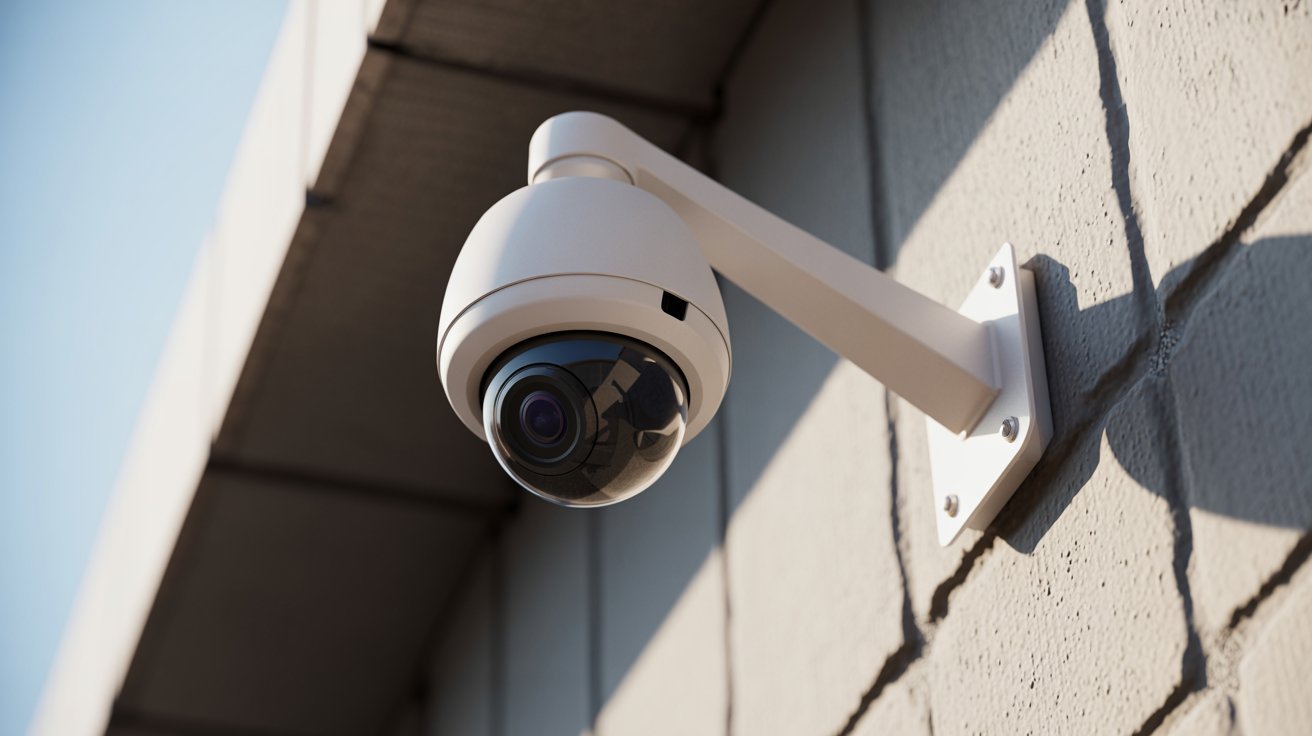
In the fast-paced business environment of Dubai, office security relies heavily on effective video surveillance. Blind spots in CCTV systems can compromise safety, allowing unauthorized access or incidents to go unnoticed. These gaps occur when cameras fail to cover every angle, leaving areas vulnerable. Preventing blind spots ensures comprehensive monitoring, protecting employees, assets, and operations in high-rise offices and bustling commercial spaces.
Understanding Blind Spots in Office Surveillance
Blind spots refer to areas within an office that fall outside the field of view of installed cameras. In Dubai offices, these can include corners of conference rooms, stairwells, elevator lobbies, or exterior entrances shaded by architectural features. Even a small uncovered zone can lead to security breaches, especially in buildings with multiple floors and open layouts.
Common causes include poor initial planning, where camera positions overlook potential hiding spots. Obstructions like furniture, partitions, or decorative elements in modern Dubai offices can block views over time. Lighting variations, from harsh sunlight through large windows to dim indoor areas, also create effective blind spots by reducing image clarity.
Environmental factors in Dubai play a role too. Dust from construction sites or sandstorms can accumulate on lenses, narrowing the visible range. High temperatures affect camera performance, causing lenses to fog or sensors to malfunction, indirectly expanding blind areas.
Recognizing these issues early prevents costly oversights. A thorough site assessment identifies risks before installation. For instance, in a typical Dubai office tower, blind spots often hide behind columns or in recessed alcoves near reception desks.
Why Blind Spots Matter in Dubai’s Corporate Landscape
Dubai’s offices host sensitive data, valuable equipment, and diverse personnel. A single blind spot can enable theft, vandalism, or espionage. Regulations from Dubai Police and the Security Industry Regulatory Agency emphasize continuous monitoring in commercial spaces.
Incidents in uncovered areas lead to insurance complications and legal liabilities. Employees feel safer with full coverage, boosting productivity. In competitive sectors like finance and tech, uninterrupted surveillance supports compliance with UAE data protection laws.
Conducting a Comprehensive Site Survey
Start with a detailed site survey to map the office layout. Walk through every room, hallway, and external perimeter. Note entry points, high-traffic zones, and potential vulnerabilities.
Use floor plans to mark existing fixtures that might obstruct views. In Dubai offices, glass walls and open-plan designs require special attention to reflections and glare.
Involve security personnel in the survey. They provide insights into daily operations, such as where packages are delivered or where visitors wait.
Measure distances and heights. Cameras need to cover from the ceiling to the floor without gaps. For multi-level offices, assess vertical blind spots in atriums or staircases.
Document findings with photos and sketches. This visual record guides camera placement and highlights areas needing multiple devices.
Tools for Effective Site Assessment
Simple tools like measuring tapes and laser distance finders ensure accuracy. Smartphone apps for panoramic views simulate camera angles.
For larger offices, consider temporary mockups with cardboard cutouts to test fields of view. Professional surveyors in Dubai offer thermal imaging to detect heat signatures in potential blind spots.
Strategic Camera Placement Techniques
Proper placement eliminates most blind spots. Position cameras at heights of 2.5 to 3 meters to avoid tampering while covering wide areas.
Overlap fields of view by 10 to 20 percent. This redundancy ensures no gaps if one camera fails.
Cover entrances and exits first. Place cameras above doors, angled downward to capture faces and movements.
In open offices, use central mounting points. Ceiling-mounted dome cameras provide 360-degree coverage in meeting rooms.
For corridors, alternate camera directions. One faces forward, the next backward, creating continuous monitoring.
Exterior areas need weatherproof cameras. Position them to overlook parking lots and loading docks, accounting for vehicle heights.
Addressing Common Office Layout Challenges
Partitioned workspaces in Dubai offices often create hidden corners. Install cameras at intersections of walls to view multiple cubicles.
Elevators pose unique issues. Cameras inside capture interiors, while hallway units monitor doors.
Reception areas benefit from wide-angle lenses. Position them to cover desks, waiting seats, and side entrances.
In server rooms, place cameras at eye level for detail, supplemented by overhead views.
Selecting the Right Camera Types and Features
Choose cameras with wide field-of-view lenses. Standard lenses cover 60 to 90 degrees, while fisheye models reach 180 to 360 degrees for large spaces.
Resolution matters for clarity. Opt for at least 4K in critical areas to identify details in potential blind spots.
Infrared capabilities handle low-light conditions common in Dubai offices after hours.
Pan-tilt-zoom (PTZ) cameras offer flexibility. Preset tours scan areas that fixed cameras might miss.
Varifocal lenses allow adjustments post-installation, fine-tuning to eliminate emerging blind spots.
Integrating Advanced Technologies
Analytics software detects motion in overlooked zones. Set alerts for unusual activity in stairwells or storage areas.
Thermal cameras identify heat in complete darkness or through obstructions like smoke.
Wireless cameras simplify installation in retrofitted Dubai offices, reducing blind spots from cable constraints.
Optimizing Lighting and Environmental Controls
Lighting directly impacts visibility. Install cameras away from direct light sources to prevent washout.
Use cameras with wide dynamic range (WDR) to balance bright windows and shadowed interiors.
Supplemental lighting like LED infrared illuminators extends night vision without creating new glare spots.
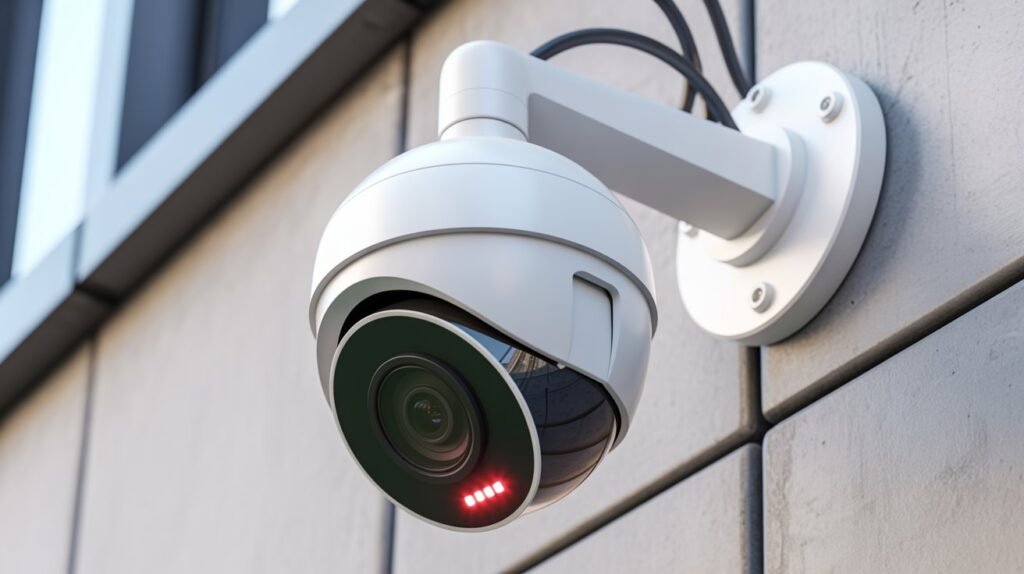
In Dubai’s climate, enclose cameras in housings with cooling fans. This prevents heat-related distortions that enlarge blind spots.
Regular lens cleaning counters dust buildup. Schedule monthly checks, more frequent during sandy seasons.
Managing Reflections and Glare
Polarized filters reduce reflections from glass surfaces prevalent in Dubai’s modern architecture.
Anti-glare coatings on domes minimize internal reflections.
Position cameras at slight angles to windows rather than directly facing them.
Implementing Overlap and Redundancy
Design with overlapping coverage. Each area should be visible by at least two cameras from different angles.
This approach counters failures and provides multiple perspectives for incident review.
In high-security offices, add backup power sources. Uninterruptible power supplies keep cameras running during outages, preventing temporary blind spots.
Redundant storage ensures footage availability. Cloud and local backups protect against hardware issues.
Regular Maintenance and Testing Protocols
Maintenance prevents gradual blind spot development. Clean lenses and housings quarterly.
Test camera angles monthly. Physically verify views and adjust for furniture changes.
Update firmware to fix vulnerabilities that could indirectly create monitoring gaps.
Conduct simulated drills. Stage mock incidents in suspected weak areas to confirm detection.
Auditing Surveillance Effectiveness
Review footage weekly for quality issues. Look for blurred sections or obstructed views.
Use heatmap analytics to identify under-monitored zones based on movement patterns.
Involve third-party auditors annually for unbiased assessments in compliance-heavy Dubai environments.
Training Staff on Surveillance Awareness
Educate employees about the system. Explain covered areas to encourage reporting of potential blind spots.
Train security teams on monitoring software. Quick response to alerts minimizes risks in uncovered moments.
Post signage indicating surveillance. This deters misconduct in visible areas, indirectly reducing pressure on blind spots.
Scaling for Growing Dubai Offices
As offices expand, reassess coverage. New partitions or expansions introduce blind spots.
Modular systems allow easy addition of cameras without overhauling the setup.
Plan for future technologies like AI-driven anomaly detection to proactively identify emerging gaps.
Budget for upgrades every three to five years to keep pace with Dubai’s evolving security standards.
Case Studies from Dubai Offices
In a Jumeirah Beach Residence tower, an office eliminated blind spots in parking areas by installing PTZ cameras with presets. This reduced vehicle theft incidents by 80 percent.
A Downtown Dubai finance firm used overlapping 4K cameras in lobbies, capturing a fraud attempt that fixed units would have missed.
A media company in Dubai Media City integrated thermal sensors in warehouses, detecting intrusions in dust-obscured corners.
These examples show tailored approaches yield results in diverse office settings.
Overcoming Budget Constraints
Prioritize high-risk areas first. Entrances and asset storage get initial coverage.
Lease equipment to spread costs. Many Dubai providers offer flexible plans.
Government incentives for security upgrades in commercial properties can offset expenses.
Open-source software for monitoring reduces long-term fees without compromising effectiveness.
Legal and Privacy Considerations in the UAE
Comply with Federal Law No. 45 of 2021 on personal data protection. Obtain consent for employee monitoring.
Avoid cameras in private areas like restrooms to prevent legal issues.
Retain footage for specified periods only, as mandated by authorities.
Consult legal experts for Dubai-specific regulations in multi-tenant buildings.
Future-Proofing Your Surveillance System
Invest in scalable infrastructure. Fiber optic cabling supports higher bandwidth for future 8K cameras.
Adopt IP-based systems for remote access and integration with access control.
Monitor emerging threats like drone intrusions, common in Dubai’s skyline.
Prepare for AI enhancements that automatically adjust for blind spots.
By implementing these strategies, Dubai offices achieve seamless surveillance. Preventing blind spots requires ongoing vigilance, but the investment safeguards operations in a dynamic city.
Frequently Asked Questions
What are the most common causes of blind spots in CCTV systems for Dubai offices?
Blind spots often come from furniture, walls, or glare blocking views. Dust on lenses and poor planning add to the issue. Fix with site surveys and regular cleaning.
How can I strategically place CCTV cameras to minimize blind spots in an office?
Place cameras 2.5-3 meters high, overlap views by 10-20%. Cover doors and halls first, use wide-angle lenses. Test angles often.
What role does lighting play in preventing blind spots for video surveillance?
Poor light creates shadows; bright windows cause glare. Use WDR cameras and IR lights. Balance day-night visibility.
How often should I maintain CCTV systems to avoid blind spots in Dubai offices?
Clean lenses quarterly, test monthly. Audit yearly. Prevent dust and heat issues.
Are there specific UAE regulations for CCTV installations in offices to prevent blind spots?
Follow Federal Law No. 45 of 2021 on data protection. Avoid private areas, use signs. Consult experts for compliance.

Junaid Farooq
A technology specialist with a focus on IT infrastructure and security solutions. Shares expert advice on topics like access control, CCTV, and smart solutions to help businesses across the UAE build smarter, more secure systems.