
How Intruder Alarms Work and Keep Your Home Protected 24/7
August 18, 2025 |
By Junaid Farooq
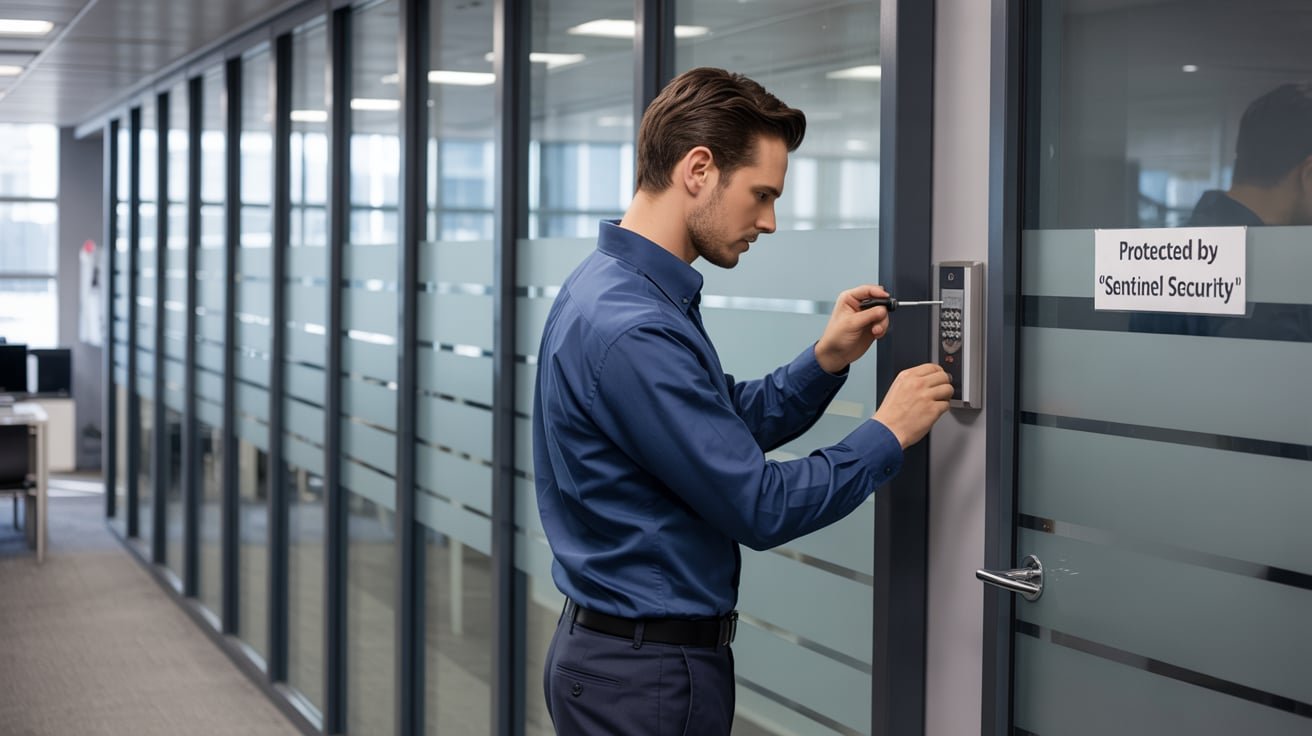
Your home is more than just walls and furniture. It’s your sanctuary, your comfort, and your family’s haven. True peace of mind only exists when safety does, and that’s where understanding how intruder alarms work becomes essential. These systems aren’t just noise-making gadgets; they’re intelligent, always-alert guardians that monitor and protect your home every moment of the day, even when you’re miles away.
What Is an Intruder Alarm System?
An intruder alarm system, also known as a burglar alarm, is a network of electronic devices designed to detect unauthorized access. When someone tries to enter your home without permission, the system instantly picks up unusual movement, vibrations, or sounds and triggers an alert, usually in the form of a loud siren, flashing lights, or a notification to your phone.
Think of it as a security guard that never sleeps. It constantly monitors your home, watching doors, windows, and even your outdoor spaces. Depending on how advanced the setup is, it can also alert a security company or local authorities for immediate help.
A well-designed intruder alarm system doesn’t just react when something goes wrong it deters criminals before they act. Most burglars admit that they skip houses with visible security systems. That’s how powerful prevention can be.
Why Every Home Needs an Intruder Alarm
An intruder alarm isn’t just about protecting valuables; it’s about protecting what really matters your sense of security. The fear of a home break-in can disturb your peace of mind, especially when you’re away or sleeping. Having an alarm system ensures that you’re always in control.
Here are some key reasons why installing an alarm system is one of the smartest home decisions you can make:
1. Acts as a strong deterrent
Just the presence of an alarm box outside your home can discourage potential burglars. Thieves prefer easy targets, homes without visible security measures.
2. Provides 24/7 monitoring
Unlike humans, these systems never rest. They are active all the time, ready to detect unusual activity day or night.
3. Offers quick response
In case of a break-in, alerts are triggered instantly, giving you, your neighbors, or the monitoring team time to respond before things escalate.
4. Reduces insurance costs
Many insurance companies offer discounts on home insurance premiums if you have a certified alarm system installed.
5. Delivers peace of mind
Whether you’re at work, on vacation, or sleeping peacefully, knowing your home is under constant protection changes everything.
How Intruder Alarm Systems Work
The working mechanism of an intruder alarm might seem technical, but it’s actually quite straightforward once you understand the basics.
When the system is armed, its sensors become active. These sensors are installed at entry points, doors, windows, or open spaces where motion can be detected. If someone attempts to open a door, break a window, or move inside when the system is armed, the sensors immediately send a signal to the control panel.
The control panel processes the signal, confirms it as an intrusion, and triggers an alarm, either an audible siren, flashing light, or a silent alert sent directly to your smartphone or a monitoring company.
Advanced systems can even differentiate between a real threat and false alarms caused by pets, wind, or mechanical noise, thanks to intelligent motion detection technology.
The Core Components of an Intruder Alarm System
A standard home alarm system is made up of several important parts that work together to create a complete security network.
1. Control Panel – The Brain of the System
The control panel is the central command hub. It connects every sensor and device, processes their signals, and decides what to do when something triggers an alert. You can arm or disarm the system through a keypad, key fob, or mobile app.
Modern control panels often feature touchscreen displays, Wi-Fi or GSM connectivity, and voice-assistant compatibility. They are designed to be both powerful and user-friendly, so even a beginner can operate them easily.
2. Sensors and Detectors – The Eyes and Ears
Sensors are the key players that make the system effective. Each type of sensor is designed for a specific purpose.
- Door and window sensors detect when entry points are opened while the system is armed.
- Motion detectors use infrared or microwave technology to sense movement inside rooms or hallways.
- Glass break detectors identify the distinct sound pattern of shattering glass.
- Vibration sensors detect forced entry attempts like kicking or drilling.
- Outdoor motion beams monitor gardens, garages, or driveways for movement before anyone even reaches your door.
By combining these, the system ensures that no corner of your home is left unprotected.
3. Alarm and Notification Devices – The Voice of the System
Once an intrusion is detected, the system needs to communicate it instantly. This can happen in several ways:
- Audible alarm: A loud siren scares intruders away and alerts neighbors.
- Visual indicators: Flashing strobe lights make it obvious that something is wrong.
- Mobile alerts: Notifications are sent to your phone through the app, so you can act even if you’re not home.
- Monitoring alerts: In monitored systems, the alarm also reaches a central control room for immediate action.
4. Power Backup and Tamper Protection
The last thing you want is for your security to fail during a power cut. Reliable alarm systems have built-in battery backups that keep them running for hours if electricity is lost.
They also include tamper detection, meaning if someone tries to disable the system, cut a wire, or remove a sensor, you’ll be alerted immediately.
5. Monitoring and Connectivity
Some systems are self-monitored, meaning you get alerts directly on your phone. Others are professionally monitored, meaning a security company keeps watch 24/7.
Modern systems use Wi-Fi, GSM, or even hybrid connectivity so that even if one connection fails, another keeps the alarm active. This ensures constant communication and uninterrupted protection.
Types of Intruder Alarm Systems
Not all alarm systems work the same way. Choosing the right one depends on your home, lifestyle, and budget.
Wired Systems
These are physically connected through cables and are known for reliability. They’re ideal for larger homes or properties under construction where cabling can be installed neatly.
Wireless Systems
These use radio or Wi-Fi signals to connect sensors. They’re easy to install and flexible to move, perfect for rented homes or quick installations.
Hybrid Systems
A combination of both wired and wireless components gives you flexibility and stability in one setup.
Monitored Systems
Connected to a 24/7 monitoring center that takes immediate action when an alarm is triggered.
Smart Systems
The latest innovation that lets you control everything from your smartphone. You can arm, disarm, check logs, or even integrate the alarm with smart door locks and cameras.
How Intruder Alarms Provide 24/7 Protection
What makes an intruder alarm system truly valuable is its ability to work nonstop without needing your constant attention.
- Always Active – Sensors continuously scan every zone of your property. Whether you’re home or away, they detect even the smallest movement or sound of intrusion.
- Instant Alerts – As soon as suspicious activity is detected, alerts reach your phone, control panel, or monitoring center within seconds.
- Deterrence Effect – Even if no intrusion occurs, the presence of cameras and alarm boxes discourages potential burglars from targeting your home.
- Automatic Response – Some systems are linked to smart locks or lights that turn on automatically to confuse intruders or make them believe someone is inside.
- 24/7 Monitoring Teams – In a monitored setup, security teams are on standby day and night, ensuring that every alarm receives a response even when you’re asleep or on vacation.
How to Choose the Right Intruder Alarm for Your Home
Before buying, consider the following points:
- The size and layout of your home (more rooms need more sensors).
- Whether you prefer a self-monitored or professionally monitored system.
- If you want smart features like app control, voice integration, and camera connectivity.
- The reliability of the brand and warranty coverage.
- Availability of customer support or local service.
Also, professional installation is always recommended. Experts can assess your home’s weak points and ensure complete coverage without blind spots.
Tips to Get the Best from Your Alarm System
- Test your alarm once a month to make sure all sensors work.
- Keep sensors clean and free from dust.
- Replace batteries when low to avoid downtime.
- Arm your system every night and whenever you leave home.
- Update the system firmware regularly if it’s a smart model.
- Educate family members on how to use it properly to avoid false alarms.
The Future of Intruder Alarms
Technology is transforming how home security works. Future intruder alarms are expected to use artificial intelligence, facial recognition, and real-time behavior tracking to detect threats before they even occur.
Some new systems can already distinguish between family members, pets, and strangers, reducing false alarms dramatically. Integration with smart assistants like Alexa and Google Home makes it easier to manage everything with just a voice command.
Soon, intruder alarms won’t just protect, they’ll predict. They’ll learn your home’s patterns and alert you if something feels off, even before a break-in happens.
Final Thoughts
Home security is no longer a luxury. It’s a necessity. Understanding how intruder alarms work helps you realize they offer more than protection; they deliver peace of mind. These smart systems act as silent guardians, keeping your loved ones safe every hour of the day. A secure home means a calm mind and a life free from worry, exactly what a well-installed alarm system provides 24/7.

Junaid Farooq
A technology specialist with a focus on IT infrastructure and security solutions. Shares expert advice on topics like access control, CCTV, and smart solutions to help businesses across the UAE build smarter, more secure systems.