
Integrating CCTV with Biometric Access Control: A Complete Guide for Corporate Offices in the UAE
January 20, 2026 |
By Junaid Farooq
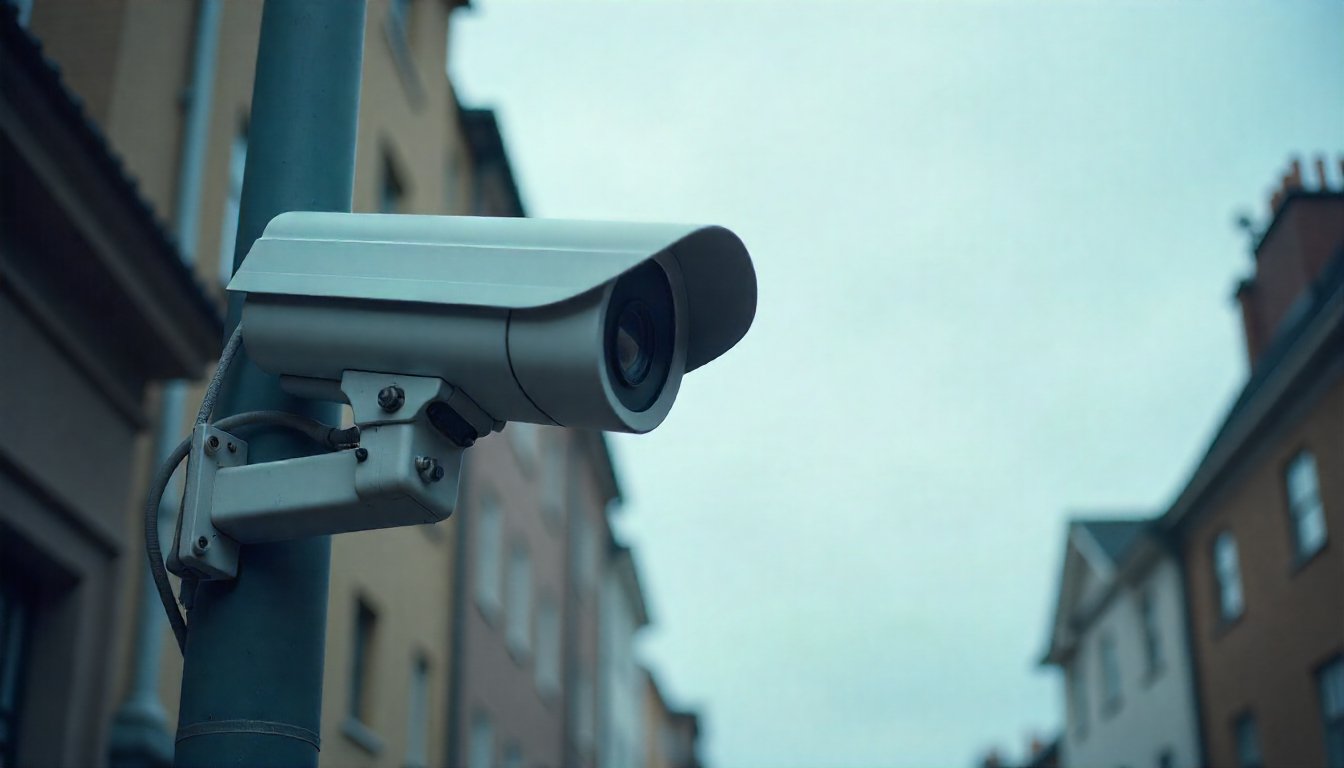
The UAE’s corporate security landscape is evolving rapidly, with the security systems market projected to reach $2.8 billion by 2027. As businesses in Dubai, Abu Dhabi, and other emirates seek advanced protection, integrating CCTV surveillance with biometric access control has become the gold standard for corporate security infrastructure.
Why UAE Corporate Offices Need Integrated Security Systems
The United Arab Emirates hosts over 450,000 registered businesses, many of which handle sensitive data, valuable assets, and confidential information. Traditional standalone security systems no longer meet the sophisticated threats that modern enterprises face.
Key Challenges Addressed by Integration:
- Tailgating incidents at entry points
- Unauthorized access to restricted areas
- Manual verification delays affecting productivity
- Fragmented security data across multiple systems
- Compliance requirements under UAE data protection laws
According to industry reports, integrated security systems reduce security breaches by up to 67% compared to standalone solutions.
Understanding CCTV and Biometric Access Control Integration
Integration connects two powerful security technologies into a single, cohesive platform:
CCTV Systems provide continuous visual surveillance, recording capabilities, and real-time monitoring across facility areas.
Biometric Access Control uses unique physiological characteristics—fingerprints, facial features, iris patterns, or palm veins—to authenticate and grant access.
When unified, these systems create a verification layer that confirms the person entering matches the biometric data presented, simultaneously recording visual evidence.
Types of Biometric Technologies Compatible with CCTV
| Biometric Type | Accuracy Rate | Speed | Best Suited For | Cost Level |
| Fingerprint Recognition | 98.6% | 1-2 seconds | General office entry | Low-Medium |
| Facial Recognition | 99.7% | 0.5-1 second | High-traffic areas | Medium-High |
| Iris Scanning | 99.9% | 2-3 seconds | High-security zones | High |
| Palm Vein Recognition | 99.8% | 1-2 seconds | Clean room environments | Medium-High |
| Voice Recognition | 95% | 3-5 seconds | Remote verification | Low |
UAE Market Trend: Facial recognition systems dominate the corporate sector, with 73% of new installations in 2024 incorporating AI-powered facial authentication.
Core Components of an Integrated Security System
Hardware Requirements
CCTV Components:
- IP cameras with minimum 4MP resolution
- Network Video Recorders (NVR)
- PoE switches for power and data transmission
- Monitoring displays and video walls
Biometric Components:
- Biometric readers (fingerprint/facial/iris scanners)
- Electronic locks and door controllers
- Access control panels
- Turnstiles or security gates
Integration Infrastructure:
- Central management server
- Network switches and cabling
- Backup power systems (UPS)
- Cloud or on-premise storage solutions
Software Requirements
- Video Management System (VMS)
- Access Control Management Software
- Integration middleware/API connectors
- Analytics and reporting tools
- Mobile management applications
Step-by-Step Implementation Process for UAE Offices
Phase 1: Assessment and Planning (2-4 Weeks)
- Conduct comprehensive site security audit
- Identify access points and surveillance zones
- Determine user capacity and traffic patterns
- Review UAE regulatory compliance requirements
- Establish budget parameters
Phase 2: System Design (2-3 Weeks)
- Create detailed floor plans with camera placement
- Map biometric reader locations
- Design network architecture
- Select compatible hardware and software
- Plan integration points and data flow
Phase 3: Installation (4-8 Weeks)
- Install network infrastructure
- Mount and configure CCTV cameras
- Deploy biometric readers at access points
- Connect systems to central management platform
- Configure integration protocols
Phase 4: Testing and Optimization (1-2 Weeks)
- Test all access points and cameras
- Verify system integration functionality
- Conduct user enrollment
- Train security personnel
- Fine-tune sensitivity settings
UAE Regulatory Compliance Considerations
Corporate offices must align integrated security systems with several UAE regulations:
Federal Decree-Law No. 45 of 2021 (Personal Data Protection Law)
- Obtain consent for biometric data collection
- Implement data minimization principles
- Ensure secure storage of biometric templates
- Establish clear data retention policies
Dubai Electronic Security Center (DESC) Standards
- Register security systems with relevant authorities
- Follow approved installation guidelines
- Use certified equipment and installers
- Maintain regular compliance audits
SIRA Regulations (Dubai)
- Obtain necessary permits for CCTV installation
- Register cameras with Security Industry Regulatory Agency
- Ensure data storage remains within UAE
- Maintain mandatory retention periods (minimum 30 days)
Benefits of Integration for UAE Corporate Environments
Operational Advantages
Enhanced Security Verification
When an employee scans their fingerprint, the integrated system simultaneously captures their image through linked cameras, creating dual-layer verification that prevents credential sharing or theft.
Real-Time Incident Response
Security teams receive instant alerts with video footage when access anomalies occur, reducing response time from minutes to seconds.
Streamlined Visitor Management
Temporary biometric credentials paired with tracked video monitoring ensure visitors remain within authorized zones.
Business Benefits
| Benefit Category | Impact Measurement |
| Security breach reduction | 60-70% decrease |
| Administrative time savings | 40% reduction |
| Incident investigation speed | 80% faster |
| Insurance premium reduction | 15-25% savings |
| Employee productivity | 12% improvement |
Cost Analysis for UAE Corporate Offices
Investment Breakdown
Small Office (Up to 50 employees, 5 access points):
- Hardware: AED 45,000 – 75,000
- Software licenses: AED 8,000 – 15,000
- Installation: AED 12,000 – 20,000
- Annual maintenance: AED 8,000 – 12,000
- Total Initial Investment: AED 65,000 – 110,000
Medium Office (50-200 employees, 15 access points):
- Hardware: AED 150,000 – 250,000
- Software licenses: AED 25,000 – 45,000
- Installation: AED 40,000 – 70,000
- Annual maintenance: AED 25,000 – 40,000
- Total Initial Investment: AED 215,000 – 365,000
Large Corporate Office (200+ employees, 30+ access points):
- Hardware: AED 400,000 – 700,000
- Software licenses: AED 60,000 – 100,000
- Installation: AED 100,000 – 180,000
- Annual maintenance: AED 60,000 – 100,000
- Total Initial Investment: AED 560,000 – 980,000
ROI Timeline
Most UAE corporate offices achieve full return on investment within 18-24 months through reduced security incidents, lower insurance premiums, and operational efficiencies.
Best Practices for Successful Integration
Technical Best Practices
- Choose unified platforms from manufacturers offering both CCTV and access control
- Implement redundant systems with backup power and storage
- Use encrypted communication between all system components
- Establish a scalable architecture for future expansion
- Deploy edge computing for faster processing at access points
Operational Best Practices
- Create tiered access zones based on security clearance levels
- Establish enrollment protocols for accurate biometric capture
- Develop incident response procedures leveraging integrated data
- Schedule regular system audits and updates
- Train staff comprehensively on system capabilities
Data Management Best Practices
- Define clear retention policies compliant with UAE law
- Implement automated backup systems with encryption
- Establish access logs for audit trails
- Create disaster recovery plans for system failures
- Conduct regular data integrity checks
Emerging Trends Shaping the UAE’s Integrated Security Future
AI-Powered Analytics
Artificial intelligence transforms passive surveillance into proactive security, with systems capable of:
- Behavioral anomaly detection
- Predictive threat analysis
- Automated incident classification
- Real-time crowd management
Cloud-Based Integration
Cloud platforms enable:
- Remote system management
- Scalable storage solutions
- Multi-location unification
- Reduced on-premise infrastructure
Mobile-First Security
Smartphone integration offers:
- Mobile credential access
- Remote monitoring capabilities
- Instant alert notifications
- Quick administrative actions
Touchless Biometrics
Post-pandemic priorities drive adoption of:
- Facial recognition systems
- Iris scanning technology
- Voice authentication
- Gesture-based access
Selecting the Right Integration Partner in the UAE
Evaluation Criteria
- SIRA certification for security system installation
- Proven experience with corporate office deployments
- Manufacturer partnerships with major security brands
- Local support capabilities with quick response times
- Compliance expertise with UAE regulations
- Post-installation support and maintenance programs
Conclusion
Integrating CCTV with biometric access control represents the evolution of corporate security in the UAE. This unified approach delivers enhanced protection, operational efficiency, and regulatory compliance that standalone systems cannot match.
For corporate offices across Dubai, Abu Dhabi, Sharjah, and other emirates, investing in integrated security infrastructure is no longer optional—it’s essential for protecting assets, ensuring employee safety, and maintaining competitive advantage in an increasingly security-conscious business environment.
FAQs
How long does full integration take for a medium-sized office?
Typically 8-12 weeks from initial assessment to full deployment.
Can existing CCTV systems integrate with new biometric controls?
Yes, most modern systems support API-based integration with legacy equipment, though some hardware upgrades may be necessary.
Is biometric data stored on-site or in the cloud?
UAE regulations generally require biometric data storage within the country. Most organizations use on-premise servers or UAE-based cloud providers.
What happens during system failures?
Properly designed systems include fail-safe mechanisms, backup power, and alternative access methods to ensure business continuity.

Junaid Farooq
A technology specialist with a focus on IT infrastructure and security solutions. Shares expert advice on topics like access control, CCTV, and smart solutions to help businesses across the UAE build smarter, more secure systems.