
Networking & Structured Cabling Best Practices for Smart Buildings in Dubai 2026
January 13, 2026 |
By Junaid Farooq
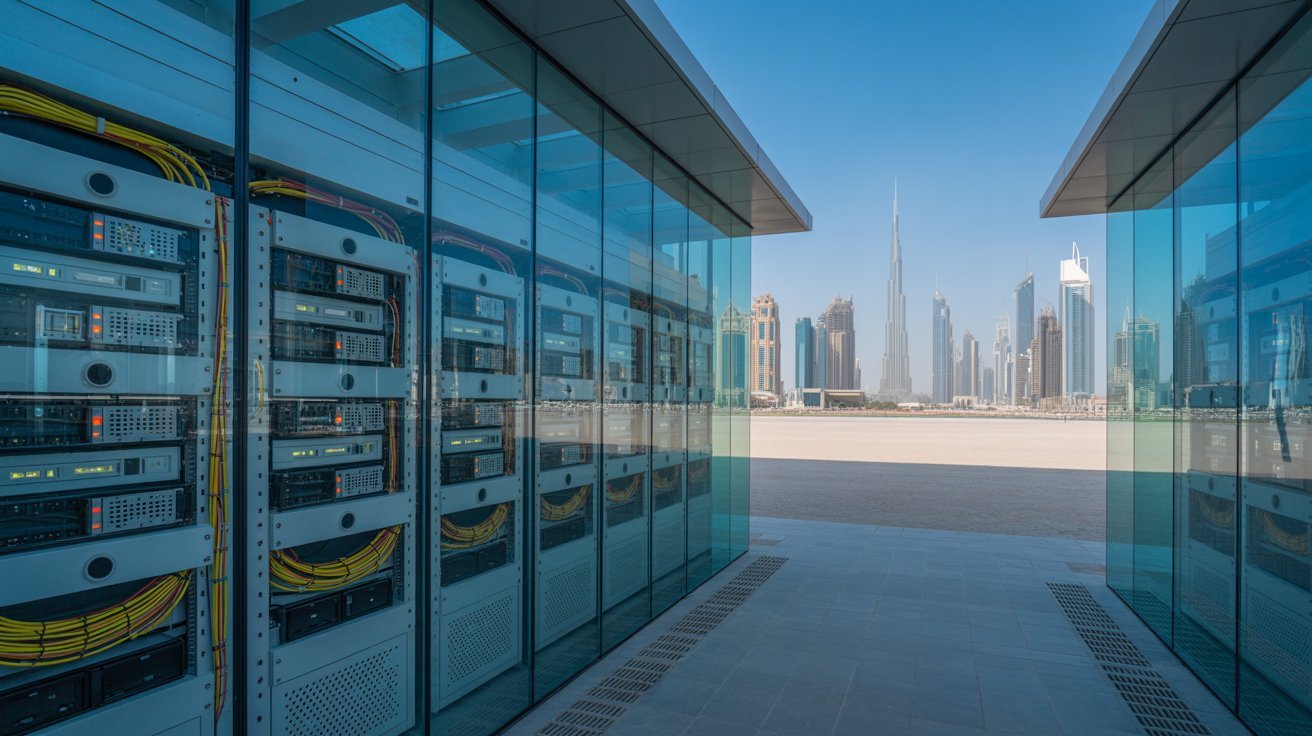
Dubai’s smart building sector is experiencing unprecedented growth, with the emirate targeting 25% of all buildings to be smart-enabled by 2030. As we approach 2026, implementing robust networking and structured cabling infrastructure has become critical for property developers, facility managers, and IT professionals across the UAE.
Understanding Smart Building Infrastructure in Dubai
Smart buildings in Dubai integrate multiple systems: HVAC, lighting, security, access control, and IoT sensors through a unified network infrastructure. The foundation of this integration lies in properly designed, structured cabling systems.
According to the Dubai Municipality’s Green Building Regulations, smart buildings must achieve specific connectivity benchmarks to qualify for sustainability certifications. This requirement drives the need for a robust cabling infrastructure capable of supporting current and emerging technologies.
Key Smart Building Statistics for Dubai 2026
| Metric | 2024 | Projected 2026 |
| Smart Buildings in Dubai | 12,500+ | 18,000+ |
| Average IoT Devices per Building | 2,500 | 4,200+ |
| Network Bandwidth Demand | 10 Gbps | 25+ Gbps |
| Connected Sensors Market (UAE) | $890M | $1.4B |
| Data Center Capacity Growth | 15% | 22% annually |
Structured Cabling Standards for UAE Smart Buildings
Applicable International Standards
Dubai’s construction and IT sectors follow internationally recognized standards with regional adaptations:
TIA-568 Series: The Telecommunications Industry Association standards govern commercial building cabling. TIA-568.2-D specifically addresses balanced twisted-pair cabling requirements.
ISO/IEC 11801: International standards for generic cabling in customer premises, widely adopted across UAE commercial projects.
BICSI Guidelines: Building Industry Consulting Service International provides design and installation best practices followed by leading UAE contractors.
Dubai Municipality Codes: Local regulations mandate specific fire-rated cabling, pathway requirements, and testing protocols for all commercial installations.
Cable Category Selection Guide
Choosing appropriate cable categories significantly impacts long-term performance and ROI:
| Cable Type | Max Bandwidth | Max Distance | Best Use Case | Cost Index |
| Cat6 | 1 Gbps | 100m | Basic office connectivity | 1.0x |
| Cat6A | 10 Gbps | 100m | Modern smart buildings | 1.3x |
| Cat7 | 10 Gbps | 100m | High-security installations | 1.6x |
| Cat8 | 25-40 Gbps | 30m | Data centers, short runs | 2.2x |
| OM4 Fiber | 100 Gbps+ | 550m | Backbone, long runs | 2.5x |
| Single-Mode Fiber | 100+ Gbps | 10km+ | Campus, external links | 3.0x |
Recommendation for Dubai 2026: Cat6A as minimum standard for horizontal cabling, with OM4/OM5 fiber for backbone infrastructure.
5 Critical Best Practices for Dubai Smart Building Cabling
1. Future-Proof Design with Scalability
Dubai’s rapid technological advancement demands forward-thinking infrastructure design. Implement these strategies:
- Overprovisioning: Install 30-40% additional cable capacity beyond current requirements
- Pathway sizing: Design cable pathways accommodating future expansion
- Zone cabling: Implement consolidation points for flexible reconfiguration
- High-density solutions: Utilize modular patch panels supporting easy upgrades
The Dubai 2040 Urban Master Plan emphasizes sustainable, adaptable infrastructure, making future-proof cabling investments essential for long-term compliance.
2. Climate-Adapted Cable Selection
Dubai’s extreme climate conditions, temperatures exceeding 50°,C and high humidity levels require specialized cable specifications:
Temperature Ratings: Select cables rated for 60°C continuous operation minimum. Premium installations should specify 75 °C-rated cables for outdoor and riser applications.
UV Resistance: Outdoor cables must feature UV-stabilized jackets (LSZH-UV rated) to prevent degradation.
Humidity Protection: Gel-filled or dry-block cables prevent moisture ingress in humid environments near coastal areas.
Dust Protection: IP-rated enclosures (minimum IP54) for all termination points in exposed locations.
3. Low Smoke Zero Halogen (LSZH) Compliance
Dubai Civil Defence mandates LSZH cables for all commercial and residential buildings. This requirement protects occupants during fire emergencies by:
- Reducing toxic fume emissions
- Minimizing smoke density
- Preventing corrosive halogen gas release
All structured cabling installations must include proper documentation proving LSZH compliance for inspection and approval purposes.
4. Implement Proper Cable Management
Effective cable management extends system lifespan and simplifies maintenance:
Best Practice Checklist:
□ Maintain minimum bend radius (4x cable diameter for Cat6A)
□ Limit bundling to 24 cables maximum per bundle
□ Use proper cable supports every 1.5 meters horizontally
□ Separate power and data cables by a minimum of 200mm
□ Label all cables at both termination points
□ Document as-built drawings with cable routing
□ Install service loops at termination points
5. Comprehensive Testing and Certification
Every structured cabling installation in Dubai’s smart buildings requires thorough testing:
Required Tests:
- Wire map verification
- Length measurement
- Insertion loss (attenuation)
- Near-End Crosstalk (NEXT)
- Return loss
- Power Sum NEXT (PSNEXT)
- Alien crosstalk (for Cat6A and above)
Documentation Requirements:
- Certified test results for every cable link
- Floor plans showing cable routes
- Compliance certificates for fire ratings
- Warranty documentation from manufacturers
Network Architecture for Dubai Smart Buildings
Recommended Network Topology
Modern Dubai smart buildings benefit from a hierarchical network design:
| Network Layer | Description | Link Type / Speed |
| Core Layer | High-speed switches with redundant links | 40/100 Gbps Fiber |
| Distribution Layer | Aggregation switches per floor or zone | 10/25 Gbps Fiber |
| Access Layer | Edge switches with PoE for IoT devices | 1/10 Gbps Cat6A / Fiber |
Power over Ethernet (PoE) Considerations
Smart buildings increasingly rely on PoE for powering IoT devices, IP cameras, access control systems, and LED lighting. Plan for:
| PoE Standard | Power Delivery | Common Applications |
| PoE (802.3af) | 15.4W | VoIP phones, basic sensors |
| PoE+ (802.3at) | 30W | PTZ cameras, wireless APs |
| PoE++ (802.3bt Type 3) | 60W | High-power devices, displays |
| PoE++ (802.3bt Type 4) | 90W | LED lighting, laptops |
Cabling Requirement: Cat6A minimum for PoE++ applications to manage heat dissipation in bundled cable runs.
IoT Integration and Edge Computing
Sensor Network Infrastructure
Dubai’s smart buildings deploy thousands of sensors to monitor:
- Occupancy and movement
- Air quality and CO2 levels
- Temperature and humidity
- Energy consumption
- Water usage
- Structural integrity
Each sensor category requires appropriate connectivity ranging from wired Cat6A connections to wireless mesh networks with dedicated backbone connections.
Edge Computing Placement
Distribute edge computing nodes throughout buildings to reduce latency and bandwidth requirements:
- Recommendation: One edge node per 3-5 floors for buildings exceeding 20 stories
- Connectivity: Minimum 10 Gbps fiber uplink to core network
- Power: UPS-protected with a minimum 30-minute backup
- Cooling: Dedicated cooling or placement in temperature-controlled rooms
Sustainability and Green Building Compliance
Dubai’s Al Safat Green Building Rating System awards points for sustainable cabling practices:
Energy Efficiency Credits
- LED lighting integration via PoE systems
- Smart HVAC control through network sensors
- Automated shading systems reduce cooling loads
Material Selection
- Recyclable cable materials
- Low environmental impact manufacturing
- Extended lifecycle products reduce replacement frequency
Documentation for Certification
Maintain comprehensive records demonstrating:
- Cable specification sustainability credentials
- Installation energy efficiency calculations
- Maintenance schedules minimize waste
Vendor Selection Criteria for Dubai Projects
When selecting structured cabling vendors for Dubai smart building projects, evaluate:
Technical Competency
- BICSI-certified installers
- Manufacturer certifications (CommScope, Panduit, Leviton)
- Demonstrated experience with similar projects
Warranty and Support
- 25-year system warranties
- Local technical support availability
- Emergency response capabilities
Compliance History
- Dubai Municipality approval record
- Civil Defence certification experience
- Successful project completions
Financial Stability
- Established UAE presence
- Insurance coverage adequacy
- References from recent projects
Cost Planning and ROI Analysis
Structured cabling represents 3-5% of total smart building construction costs but enables all networked systems. Budget allocation recommendations:
| Component | Percentage of Cabling Budget |
| Horizontal Cabling | 35-40% |
| Backbone Infrastructure | 20-25% |
| Telecommunications Rooms | 15-20% |
| Testing and Certification | 10-12% |
| Documentation | 5-8% |
ROI Consideration: Properly designed cabling infrastructure supports multiple technology refresh cycles (15-20 years) while IT equipment typically refreshes every 3-5 years.
Conclusion
Implementing networking and structured cabling best practices in Dubai’s smart buildings requires balancing current requirements with future scalability. By following TIA/ISO standards, selecting climate-appropriate materials, ensuring LSZH compliance, and planning for emerging technologies, building developers can create infrastructure supporting Dubai’s smart city vision through 2026 and beyond.
The investment in quality structured cabling today directly impacts operational efficiency, tenant satisfaction, and long-term asset value. Partner with certified professionals, prioritize documentation, and maintain focus on sustainability to achieve successful smart building implementations in the UAE market.
FAQs
1. What is structured cabling for smart buildings in Dubai?
Structured cabling is a standardized wiring infrastructure connecting all building systems, data networks, security, HVAC, and IoT sensors through organized copper and fiber cables following TIA-568 and Dubai Municipality standards.
Which cable category is best for Dubai smart buildings in 2026?
Cat6A is the recommended minimum for horizontal cabling (10 Gbps, 100m distance). Use OM4 fiber for backbone connections requiring higher speeds.
Is LSZH cable mandatory in Dubai buildings?
Dubai Civil Defence requires LSZH (Low Smoke Zero Halogen) cables in all commercial and residential buildings for fire safety compliance.
What certifications should a cabling contractor have in the UAE?
Look for BICSI RCDD certification, manufacturer certifications (CommScope, Panduit), Dubai Municipality contractor license, and ISO 9001:2015 quality certification.
How long does structured cabling last in smart buildings?
15-25 years with proper installation and maintenance. Network equipment refreshes every 3-5 years, but quality cabling supports multiple upgrade cycles.

Junaid Farooq
A technology specialist with a focus on IT infrastructure and security solutions. Shares expert advice on topics like access control, CCTV, and smart solutions to help businesses across the UAE build smarter, more secure systems.