
10 Cost-Saving Tips for Security Infrastructure Upgrades in Dubai
December 15, 2025 |
By Junaid Farooq
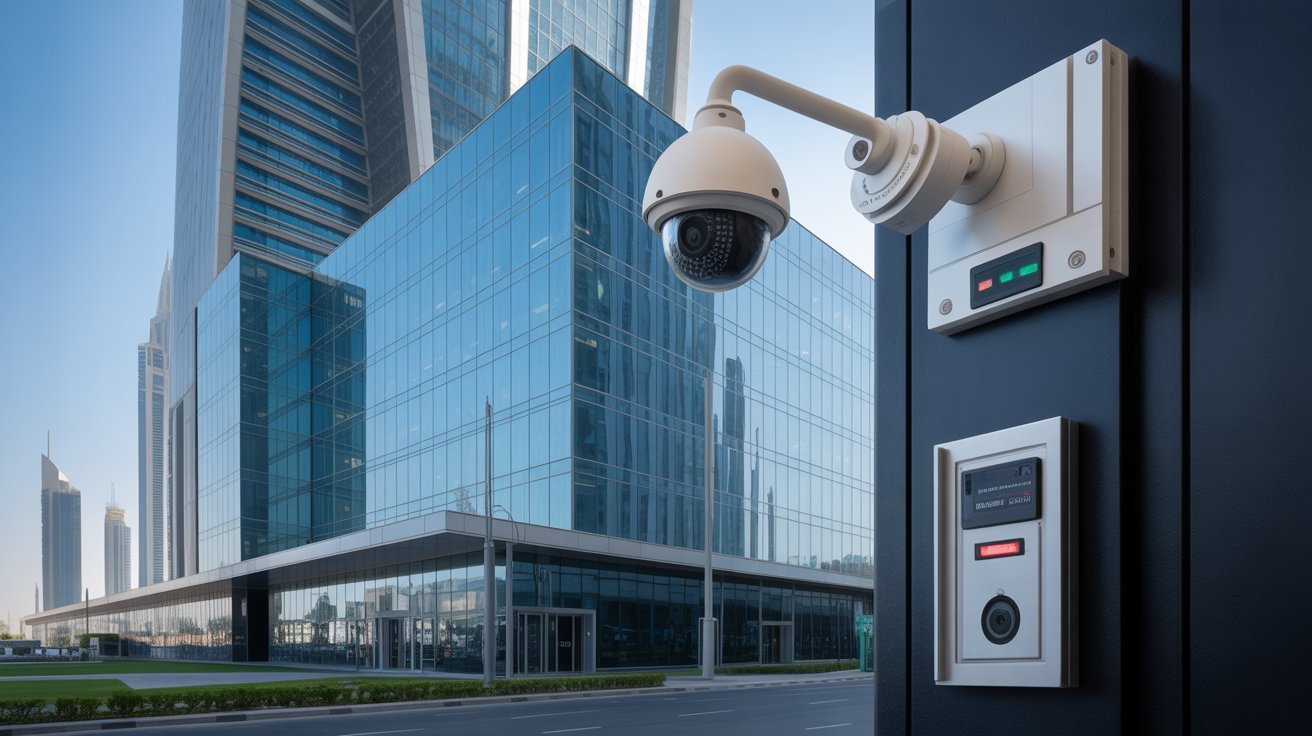
Security infrastructure upgrades are essential for businesses operating in Dubai’s dynamic landscape, but they don’t have to drain your budget. With the UAE cybersecurity market projected to reach $4.51 billion by the end of 2025, businesses face increasing pressure to enhance their security while managing costs effectively.
Understanding Security Infrastructure Costs in Dubai
Before diving into cost-saving strategies, it’s crucial to understand the typical investment required for security upgrades in the UAE:
| Security Component | Price Range (AED) | Typical Use Case |
| Basic CCTV System (4 cameras) | 3,000 – 6,000 | Small office/retail |
| Enterprise CCTV System | 15,000 – 50,000+ | Multi-floor buildings |
| Access Control System | 5,000 – 20,000 | Office buildings |
| Alarm System (Residential) | 2,000 – 6,000 | Villas/apartments |
| Alarm System (Commercial) | 8,000 – 25,000 | Offices/warehouses |
| Network Security Software | 150 – 400/user/year | Endpoint protection |
| Managed SOC Services | 5,000 – 15,000/month | 24/7 monitoring |
1. Migrate to Cloud-Based Security Solutions
Cloud migration represents one of the most effective cost-reduction strategies available to Dubai businesses today. Traditional on-premise security systems require substantial capital expenditure on hardware, maintenance, and dedicated IT staff.
Cost Benefits:
- Reduce hardware-related overheads by 30-40%
- Eliminate upfront capital expenses by shifting to an operational expenditure model
- Pay only for resources you actually use
- No need for physical server maintenance or replacement
Implementation Steps:
- Conduct a thorough assessment of your current security infrastructure
- Identify systems that can be migrated to cloud platforms
- Partner with DESC-certified cloud providers for regulatory compliance
- Implement gradual migration to minimize disruption
Cloud-based video surveillance, for instance, eliminates the need for expensive DVR/NVR equipment and provides scalable storage that grows with your business needs.
2. Leverage Managed Security Services
Building an in-house Security Operations Center (SOC) requires significant investment. The primary cost drivers include staffing (with cybersecurity analysts commanding competitive salaries), infrastructure, and 24/7 operational expenses.
Why Managed Services Save Money:
- Eliminate the need for full-time security staff hiring and training
- Reduce infrastructure investment by up to 60%
- Access specialized expertise at a fraction of in-house costs
- Benefit from economies of scale through shared resources
For small to medium businesses with 5-10 users, monthly managed IT and security services typically range from AED 1,000 to AED 3,500 significantly less than maintaining dedicated in-house teams.
3. Consolidate Security Infrastructure
Infrastructure consolidation delivers substantial cost reductions while improving operational efficiency. This strategy involves standardizing systems across your organization and retiring redundant or legacy systems.
Key Consolidation Strategies:
- Unify operating systems across departments to reduce licensing costs
- Standardize on single vendors for volume discounts
- Integrate multiple security functions into unified platforms
- Retire outdated systems with high maintenance costs
Benefits:
- Lower maintenance and operational expenses
- Reduce licensing and training costs
- Simplify management and reduce specialized staff requirements
- Improve system interoperability
According to industry research, organizations implementing infrastructure consolidation can reduce IT operational costs by 40-80%.
4. Adopt Phased Implementation Approach
Rather than attempting a complete security overhaul simultaneously, implement upgrades in strategic phases based on risk assessment and budget availability.
Phased Implementation Strategy:
Phase 1 – Critical Protection (Months 1-3):
- Secure entry points with access control
- Install cameras at high-risk areas
- Implement basic network security
Phase 2 – Extended Coverage (Months 4-6):
- Expand camera coverage to secondary areas
- Add alarm systems
- Enhance network monitoring
Phase 3 – Advanced Features (Months 7-12):
- Integrate AI-powered analytics
- Add biometric authentication
- Implement advanced threat detection
This approach spreads costs over time while ensuring critical areas receive immediate protection.
5. Optimize Software Licensing and Subscriptions
Software costs represent a significant portion of security budgets. Strategic license management can yield substantial savings.
Optimization Tactics:
- Conduct annual software audits to identify unused licenses
- Negotiate volume discounts with vendors
- Consider open-source alternatives where appropriate
- Consolidate security tools to reduce overlap
- Switch from per-device to per-user licensing when cost-effective
For productivity suites and security software, businesses typically spend AED 300-800 per user annually. Regular audits can identify opportunities to eliminate redundant subscriptions.
6. Invest in Automation and AI Technologies
While initial investment in AI-powered security may seem higher, automation dramatically reduces long-term operational costs.
Automation Benefits:
- Reduce false alarms by up to 70% with intelligent detection
- Minimize manual monitoring requirements
- Enable proactive threat prevention through predictive analytics
- Lower staffing costs through automated incident response
Modern security systems with AI capabilities can distinguish between actual threats and benign activities, reducing unnecessary security responses and associated costs.
7. Choose Hybrid Security Models
Combining on-premise and cloud-based security creates an optimal cost-performance balance for many Dubai businesses.
Hybrid Model Components:
- Store sensitive data on-premises for compliance and control
- Use cloud services for scalable processing and analytics
- Implement local backup systems with cloud disaster recovery
- Deploy edge computing for critical real-time decisions
This approach provides flexibility while maintaining compliance with UAE data protection regulations and DESC standards.
8. Leverage Vendor Partnerships and Government Incentives
Dubai’s business ecosystem offers numerous opportunities for cost-effective security upgrades.
Strategic Partnerships:
- Join vendor partner programs for preferential pricing
- Negotiate Annual Maintenance Contracts (AMC) for predictable costs
- Explore group purchasing with other businesses in your free zone
- Utilize flexible payment plans offered by SIRA-certified providers
Government Support:
- Stay informed about Smart Dubai initiatives offering technology subsidies
- Leverage DESC resources for compliance guidance
- Participate in cybersecurity awareness programs for free training
Many security providers in Dubai offer installment plans that spread costs into manageable monthly payments, reducing budget strain.
9. Implement Risk-Based Security Investment
Not all areas require the same level of security investment. Conduct comprehensive risk assessments to allocate resources efficiently.
Risk-Based Approach:
- Identify Critical Assets: Data centers, financial systems, entry points
- Assess Threat Levels: Historical incidents, industry-specific risks
- Prioritize Investments: Allocate budget based on risk scores
- Monitor and Adjust: Regularly review and reallocate resources
This strategy ensures maximum protection for critical assets while avoiding over-investment in low-risk areas.
10. Utilize Virtualization and Network Segmentation
Virtualization technology reduces hardware costs while improving security posture through network segmentation.
Cost Advantages:
- Reduce physical hardware requirements by 50-70%
- Lower power consumption and cooling costs
- Simplify disaster recovery processes
- Enable flexible resource allocation
Security Benefits:
- Isolate security incidents through network segmentation
- Limit the lateral movement of threats
- Improve compliance through separate environments
- Enhance testing capabilities with virtual environments
Network segmentation divides your infrastructure into isolated zones, containing breaches and minimizing potential damage, all while reducing hardware costs through virtualization.
Compliance Considerations for Dubai Businesses
When implementing cost-saving measures, maintain compliance with UAE regulations:
Essential Requirements:
- SIRA Certification (Dubai): All security installations must use SIRA-approved companies
- MCC Approval (Abu Dhabi): Similar requirements for Abu Dhabi-based businesses
- DESC Standards: Government entities must meet the Dubai Electronic Security Center requirements
- UAE Data Protection Law: Ensure data handling complies with national regulations
- CIIP Policy: Critical infrastructure must follow protection guidelines
Non-compliance can result in hefty penalties that far exceed any short-term savings.
Measuring Your Security Investment ROI
Track these key performance indicators to ensure your cost-saving measures deliver value:
Financial Metrics:
- Total Cost of Ownership (TCO) reduction percentage
- Cost per protected asset or user
- Operational expense vs. capital expense ratio
- Security incident cost avoidance
Operational Metrics:
- Mean Time to Detect (MTTD) threats
- Mean Time to Respond (MTTR) to incidents
- System uptime percentage
- False alarm reduction rate
Business Impact:
- Compliance audit pass rate
- Insurance premium changes
- Customer confidence metrics
- Business continuity improvement
Avoiding Common Cost-Cutting Mistakes
While reducing expenses, avoid these pitfalls:
Don’t Compromise On:
- Data encryption and access controls
- Regular security audits and assessments
- Employee security awareness training
- Compliance with UAE regulations
- Incident response capabilities
Warning Signs:
- Choosing providers based solely on price
- Delaying critical security patches to save time
- Eliminating backup systems
- Reducing monitoring coverage
- Skipping vendor due diligence
Remember: data breaches typically cost businesses 10-50 times more than proper security investments.
Future-Proofing Your Security Investment
Position your security infrastructure for emerging technologies:
2025-2026 Trends:
- 5G Integration: Faster data transfer for real-time security monitoring
- AI-Driven Analytics: Enhanced threat detection with machine learning
- IoT Security: Protection for connected devices and sensors
- Biometric Authentication: Fingerprint and facial recognition are becoming standard
- Zero Trust Architecture: Verify every access request regardless of source
Dubai’s smart city initiatives, aligned with Vision 2040, will continue driving security innovation. Investing in scalable, adaptable solutions ensures long-term cost efficiency.
Taking Action: Your Cost-Optimization Roadmap
Immediate Actions (Week 1-2):
- Conduct a security infrastructure audit
- Identify redundant systems and licenses
- Research SIRA-certified providers
- Calculate the current Total Cost of Ownership
Short-Term Implementation (Month 1-3):
- Consolidate vendors for volume discounts
- Implement basic cloud migration for non-critical systems
- Negotiate managed services contracts
- Deploy automated monitoring tools
Long-Term Strategy (Month 4-12):
- Complete phased infrastructure upgrades
- Implement AI-powered security analytics
- Establish comprehensive AMC coverage
- Train staff on new systems and best practices
Conclusion
Security infrastructure upgrades in Dubai don’t require excessive budgets when approached strategically. By implementing these ten cost-saving tips from cloud migration and managed services to risk-based investment and infrastructure consolidation businesses can achieve robust protection while maintaining financial efficiency.
The key lies in balancing cost optimization with maintaining adequate security levels and regulatory compliance. With the UAE cybersecurity market experiencing 20% annual growth and Dubai positioning itself as a global smart city hub, now is the time to optimize your security investments for both immediate savings and long-term value.
Start by assessing your current infrastructure, identifying quick wins through license optimization and vendor consolidation, then progressively implement more comprehensive strategies. Partner with DESC-certified providers who understand local regulations and can guide you toward cost-effective, compliant solutions that protect your business in Dubai’s evolving digital landscape.
FAQs
What is the average cost of upgrading security infrastructure in Dubai?
The cost of security infrastructure upgrades in Dubai depends on the size of the property, system type, and technology used. Basic upgrades can start from around AED 5,000, while commercial projects usually require a higher budget. Proper planning helps keep costs under control.
Is upgrading an existing security system cheaper than installing a new one?
Upgrading an existing security system is usually more cost-effective because current wiring and equipment can often be reused. This reduces installation time and labor costs. It also minimizes disruption to daily business operations.
Which security upgrades offer the best cost savings in Dubai?
IP cameras, cloud-based monitoring, and smart access control systems offer strong long-term savings. These solutions reduce maintenance and energy costs over time. Centralized management also makes future upgrades more affordable.
When is the best time to upgrade security infrastructure in Dubai to save money?
Security upgrades are often more affordable during off-peak periods when service providers offer better pricing. Bundling multiple upgrades into one project can further reduce costs. Annual maintenance contracts also help lower long-term expenses.
Is hiring a professional security installer cost-effective?
Hiring a professional installer helps avoid costly mistakes and unnecessary repairs. Experts recommend the right systems based on actual needs, preventing overspending. Professional installation also ensures compliance and warranty protection.

Junaid Farooq
A technology specialist with a focus on IT infrastructure and security solutions. Shares expert advice on topics like access control, CCTV, and smart solutions to help businesses across the UAE build smarter, more secure systems.