
Wired vs Wireless Intruder Alarm Systems in UAE: Cost, Flexibility & Compliance
November 24, 2025 |
By Junaid Farooq
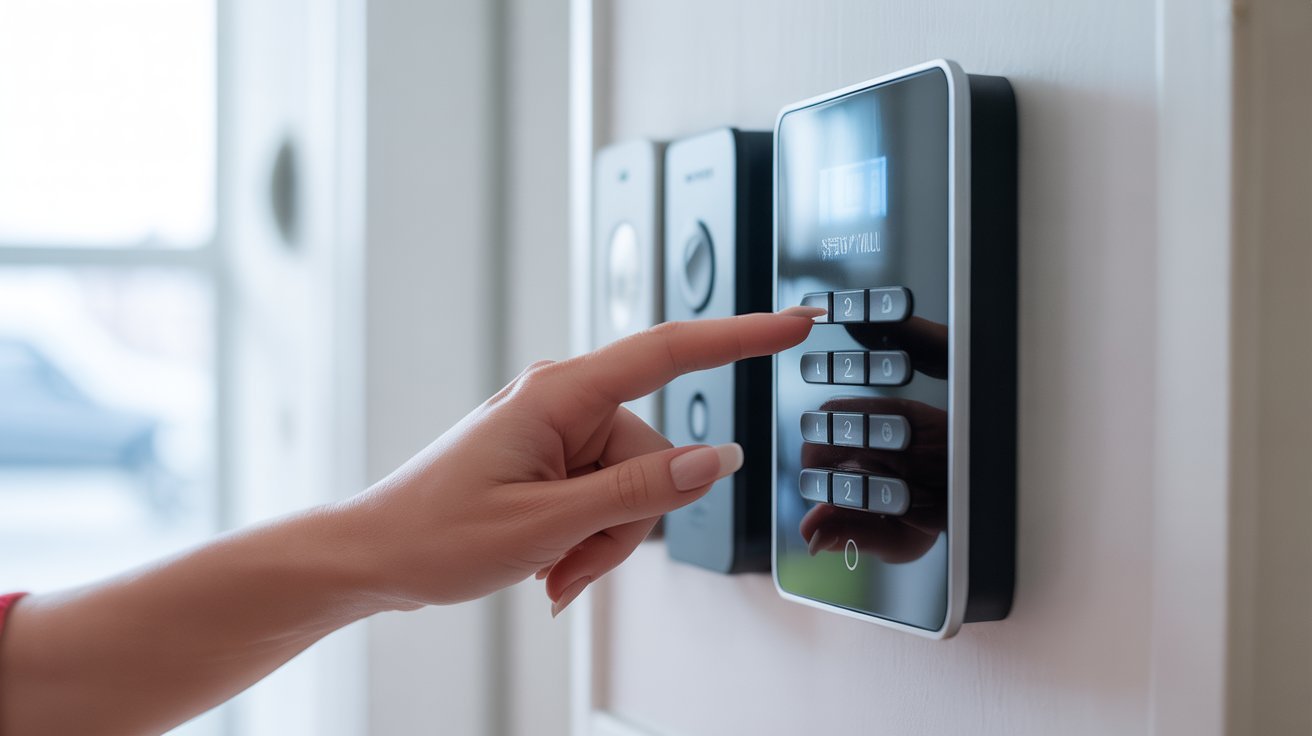
In today’s fast-paced world, securing homes and businesses has become more than just a precaution; it’s a necessity. In the UAE, where urban areas are expanding rapidly and property values are high, intruder alarm systems play a crucial role in protecting people and assets. When it comes to choosing the right system, one of the key decisions is whether to opt for a wired or wireless intruder alarm system. Both options have unique advantages and considerations, and understanding these differences is essential for making an informed choice.
What Are Intruder Alarm Systems?
Intruder alarm systems are security devices designed to detect unauthorized entry into homes, offices, or other properties. They typically consist of sensors, control panels, and alarms that alert the property owner or security personnel when a breach occurs.
- Sensors: Detect motion, door/window opening, or other suspicious activity.
- Control Panel: The central hub that processes signals from sensors.
- Alarms: Sirens or notifications that alert owners or security services.
Intruder alarm systems can be broadly categorized into wired and wireless systems. Each type offers different features, installation requirements, and costs.
Wired Intruder Alarm Systems
Wired intruder alarm systems rely on physical cables to connect sensors, control panels, and alarms. This traditional approach has been widely used in commercial and residential settings for decades.
Advantages of Wired Systems
- Reliability: Wired systems are less prone to interference or signal loss. The physical connection ensures stable communication between components.
- Enhanced Security: Since sensors are connected via cables, tampering is more difficult compared to wireless systems.
- Long-Term Cost Efficiency: Though installation is higher, maintenance costs tend to be lower over time, as wired systems are less susceptible to battery failures.
- Scalability for Large Properties: For large villas or office buildings, wired systems can support multiple sensors and devices effectively.
Considerations
- Installation Complexity: Installing wired systems often requires professional technicians and may involve drilling or embedding cables into walls and ceilings.
- Higher Initial Cost: Material and labor costs are typically higher than wireless systems.
- Less Flexibility: Once installed, relocating sensors or expanding the system can be challenging.
Typical Costs in UAE
The cost of a wired intruder alarm system depends on property size, number of sensors, and the system’s sophistication. On average:
- Small apartments: AED 3,000 – AED 5,000
- Medium villas: AED 6,000 – AED 12,000
- Large commercial properties: AED 15,000 and above
These costs usually include installation and basic equipment, but high-end systems with advanced features may cost more.
Wireless Intruder Alarm Systems
Wireless intruder alarm systems use radio frequency signals to connect sensors to the control panel, eliminating the need for extensive cabling. They have gained popularity in recent years due to their convenience and modern features.
Advantages of Wireless Systems
- Ease of Installation: Wireless systems are easier and quicker to install, making them ideal for existing properties or rental spaces.
- Flexibility: Sensors can be relocated or added without major structural changes. This makes it easy to upgrade or expand the system.
- Aesthetic Appeal: Without visible cables, wireless systems maintain a cleaner, more modern look.
- Remote Monitoring: Many wireless systems come with smartphone integration, allowing real-time monitoring and alerts from anywhere.
Considerations
- Battery Dependency: Wireless sensors rely on batteries, which need periodic replacement.
- Signal Interference: Walls, electronic devices, or competing wireless networks can affect performance.
- Cost Over Time: While installation is cheaper, ongoing battery replacement and maintenance can add up.
Typical Costs in UAE
Wireless intruder alarm systems generally have lower installation costs:
- Small apartments: AED 2,500 – AED 4,500
- Medium villas: AED 5,000 – AED 10,000
- Large commercial properties: AED 12,000 and above
Advanced systems with smartphone apps, cloud storage, or professional monitoring may increase the overall investment.
Cost Comparison: Wired vs Wireless
Cost is often the first factor property owners consider when choosing an intruder alarm system. Wired systems usually involve a higher upfront cost due to installation labor and cabling, while wireless systems tend to be more affordable initially. However, wireless systems may incur ongoing costs, such as battery replacements and maintenance. In terms of overall expenses, wired systems typically have lower maintenance costs and moderate equipment costs, making them potentially more cost-efficient in the long term. Wireless systems, on the other hand, have moderate equipment costs but higher maintenance requirements over time. In short, if your property is large or you plan to keep the system for many years, a wired system may provide better value. For smaller properties or rental spaces, a wireless system can save both time and money while offering installation convenience.
Flexibility and Scalability
Another critical factor is flexibility. Wireless systems offer the ability to:
- Add sensors as needed
- Relocate devices easily
- Integrate with smart home technology
Wired systems, while less flexible, provide robust reliability. For properties where security needs are unlikely to change, a wired system is often the better option.
Compliance with UAE Security Standards
Intruder alarm systems in the UAE must comply with local regulations and standards. Both wired and wireless systems can meet compliance requirements if properly installed. Key considerations include:
- Dubai Civil Defence (DCD) Regulations: Intruder alarm systems may require certification for commercial properties.
- Installation Standards: Professional installation ensures compliance with safety and operational guidelines.
- Integration with Other Security Measures: Many buildings require alarms to integrate with CCTV, fire systems, or access control for full compliance.
Ensuring your system meets UAE regulations is crucial not only for legal reasons but also for insurance purposes.
Choosing the Right System for Your Property
Selecting between wired and wireless systems depends on multiple factors:
- Property Size: Large properties may benefit from the stability of wired systems.
- Installation Constraints: Existing buildings may favor wireless systems to avoid structural work.
- Budget: Consider both initial and long-term costs.
- Future Expansion: Wireless systems allow easy scalability.
- Compliance Needs: Always ensure the chosen system aligns with UAE security standards.
Additional Features to Consider
Modern intruder alarm systems offer features beyond basic detection:
- Remote Access: Mobile apps for live monitoring
- Smart Home Integration: Connection with lights, locks, and cameras
- Professional Monitoring: Alerts sent to security companies for rapid response
- Tamper Alerts: Notification if sensors or control panels are tampered with
Choosing a system with the right combination of features ensures maximum protection and convenience.
Conclusion
Choosing between a wired and wireless intruder alarm system in the UAE requires careful consideration of cost, flexibility, and compliance.
- Wired systems offer long-term reliability, enhanced security, and suitability for large properties.
- Wireless systems provide ease of installation, flexibility, and modern smart features, ideal for existing buildings or smaller spaces.
By evaluating your property’s needs, budget, and future plans, you can select a system that not only safeguards your assets but also aligns with UAE security standards. Ultimately, the right intruder alarm system ensures peace of mind, protection, and compliance in a region where safety is paramount.
FAQs About Wired and Wireless Intruder Alarm Systems in the UAE
What is the difference between wired and wireless intruder alarms?
Wired systems use physical cables, while wireless systems use radio signals to connect sensors to the control panel.
Which system is more reliable in the UAE?
Wired systems are generally more reliable due to stable connections and lower susceptibility to interference.
Are wireless systems suitable for large villas?
Yes, but signal strength and battery maintenance should be carefully considered for large properties.
How much does a wired intruder alarm cost in UAE?
Small apartments may cost AED 3,000 – 5,000, medium villas AED 6,000 – 12,000, and large commercial properties AED 15,000+.
Can wireless systems integrate with smart home devices?
Yes, many wireless systems allow smartphone control and integration with smart home technologies.

Junaid Farooq
A technology specialist with a focus on IT infrastructure and security solutions. Shares expert advice on topics like access control, CCTV, and smart solutions to help businesses across the UAE build smarter, more secure systems.